Showing posts with label Sustainable Development Goals. Show all posts

Promoting Sustainable Agriculture and Land Management in Rural Areas: A Pathway to a Resilient Future


Introduction

In an era of climate change and diminishing natural resources, sustainable agriculture and land management have emerged as crucial practices for ensuring food security, environmental conservation, and rural development. Sustainable agriculture encompasses a range of techniques and principles that promote the efficient use of resources, minimize environmental impacts, and foster economic viability for farmers. When combined with effective land management strategies, these practices hold the key to building resilient rural communities and mitigating the challenges posed by a rapidly changing world.

Conservation Agriculture: Enhancing Soil Health and Biodiversity

At the core of sustainable agriculture lies the preservation and enhancement of soil health. Conservation agriculture practices, such as minimal tillage, crop rotation, and cover cropping, aim to reduce soil erosion, enhance water retention, and improve nutrient cycling. These practices not only safeguard the productivity of farmland but also promote biodiversity by providing habitats for beneficial organisms. By adopting conservation agriculture techniques, farmers can mitigate soil degradation, reduce the need for chemical inputs, and protect the delicate balance of ecosystems in rural areas.

Precision Farming: Optimizing Resource Efficiency

Precision farming employs modern technologies, including GPS, remote sensing, and data analytics, to optimize the use of resources such as water, fertilizers, and pesticides. By precisely targeting inputs based on real-time data and site-specific conditions, farmers can minimize waste and improve crop yields. Drip irrigation systems, variable rate fertilization, and automated pest monitoring are examples of precision farming techniques that enable farmers to make informed decisions and reduce their environmental footprint. These practices not only enhance resource efficiency but also contribute to cost savings and increased profitability for farmers.

Agroforestry: Integrating Trees into Agricultural Landscapes

Agroforestry represents an innovative approach to land management that combines agricultural practices with the cultivation of trees. By integrating trees into farmland, agroforestry systems offer numerous benefits, such as increased biodiversity, improved soil fertility, and enhanced climate resilience. Trees provide shade, windbreaks, and erosion control, while their deep-rooted systems help stabilize the soil and prevent nutrient runoff. Agroforestry also diversifies income streams for farmers, as they can harvest timber, fruits, nuts, or other non-timber forest products. By promoting agroforestry, rural communities can strengthen their environmental, social, and economic resilience.

Farmer Training and Knowledge Exchange

To drive the adoption of sustainable agriculture and land management practices, it is crucial to provide farmers with the necessary knowledge and skills. Training programs, workshops, and knowledge exchange platforms play a pivotal role in disseminating best practices and empowering farmers to implement sustainable techniques. Collaborative initiatives involving agricultural extension services, research institutions, and NGOs can facilitate the transfer of knowledge and provide farmers with access to resources, expertise, and market opportunities. By fostering a culture of continuous learning and innovation, rural areas can embrace sustainable practices and adapt to evolving environmental and economic conditions.

Policy Support and Financial Incentives

Governments and policymakers have a vital role to play in promoting sustainable agriculture and land management. By implementing supportive policies, regulations, and incentives, they can encourage the adoption of sustainable practices among farmers. This may include financial incentives for the implementation of conservation agriculture or agroforestry, subsidies for the purchase of precision farming technologies, or favorable trade policies for sustainably produced agricultural products. Policy coherence, stakeholder engagement, and long-term planning are critical to creating an enabling environment for sustainable agriculture and land management to thrive.


Conclusion


Sustainable agriculture and land management practices offer a pathway to a resilient and sustainable future for rural areas. By prioritizing soil health, optimizing resource efficiency, integrating trees into agricultural landscapes, and fostering knowledge exchange, rural communities can adapt to climate change, preserve natural resources, and improve the livelihoods of farmers. However, achieving widespread adoption of these practices requires collaboration among farmers, governments, researchers, and other stakeholders. By working together, we can build a more sustainable and prosperous future for rural areas while safeguarding the planet for generations to come.

DIY Liquid Fertilizer: Unlocking the Secrets of Homegrown Nutrient Boosters

Introduction:

Gardening enthusiasts and plant lovers often seek effective ways to nourish their green companions. While commercial fertilizers are readily available, they can be expensive and may contain chemicals that aren't ideal for the environment or our health. Thankfully, creating your own liquid fertilizer at home is a simple, cost-effective, and eco-friendly alternative. By repurposing kitchen scraps, natural ingredients, and organic materials, you can unlock the secret to a thriving garden. In this article, we will guide you through the process of creating your own liquid fertilizer, empowering you to unleash the full potential of your plants while reducing waste.



Benefits of Liquid Fertilizers:

Liquid fertilizers offer several advantages over traditional granular or powdered alternatives. Here are a few benefits that make them an attractive option for home gardeners:

  1. Faster Absorption: Liquid fertilizers are quickly absorbed by plants through their leaves and root systems, allowing for faster nutrient uptake compared to solid fertilizers.
  2. Enhanced Nutrient Availability: Liquid fertilizers can be formulated to contain specific nutrients required by plants, ensuring optimal growth and development.
  3. Versatility: These fertilizers can be easily tailored to suit different types of plants, offering flexibility in addressing specific nutrient deficiencies.
  4. Convenient Application: With liquid fertilizers, you can apply nutrients directly to the soil or foliage using sprayers, making it easier to reach the entire plant and deliver nutrients precisely where they are needed.
  5. Environmentally Friendly: Homemade liquid fertilizers can be made from organic materials, minimizing the use of synthetic chemicals and reducing harm to the environment.

Creating Homemade Liquid Fertilizer:

Here's a step-by-step guide to creating your own liquid fertilizer:

  1. Choose your ingredients: Liquid fertilizers can be made from a variety of organic materials such as compost, manure, kitchen scraps, and plant trimmings. Each ingredient contributes different nutrients, so select those that align with the needs of your plants.
  2. Composting: If using compost as a base for your fertilizer, ensure it is fully decomposed to avoid introducing pathogens or weed seeds. Alternatively, you can purchase ready-to-use compost or organic fertilizers from a reputable source.
  3. Select a container: Find a large container with a lid to hold your liquid fertilizer. A 5-gallon bucket or a sealable plastic bin works well. Ensure it is clean and free from any chemicals that could contaminate the fertilizer.
  4. Mixing the ingredients: Fill your container with water, leaving enough space for the organic materials. Add the chosen ingredients, making sure to maintain a balanced ratio. A common recipe is one part organic matter to three parts water, but you can adjust this ratio based on the potency you desire.
  5. Fermentation process: Close the container tightly with the lid and place it in a warm, dark spot away from direct sunlight. Allow the mixture to ferment for about two to four weeks, depending on the ingredients used. During this time, beneficial bacteria and fungi break down the organic matter, releasing nutrients into the liquid.
  6. Straining the mixture: After the fermentation period, strain the liquid to remove any solid particles. Use a fine mesh or cheesecloth to achieve a clear liquid fertilizer. The leftover organic matter can be added to your compost pile or used as a soil amendment.
  7. Storage and application: Transfer the strained liquid fertilizer to smaller, easily manageable containers. Store them in a cool and dark place to preserve the nutrients. When ready to use, dilute the liquid fertilizer with water according to the recommended ratio provided for your plants. Apply it to the soil around the plants or as a foliar spray, depending on the needs of your garden.

How to Make Liquid fertilizer

Compost Tea:

Compost tea is a nutrient-rich liquid fertilizer derived from compost. It provides plants with essential nutrients and beneficial microorganisms. To make compost tea, follow these steps:

  1. Fill a large container with water (around 5 gallons) and let it sit for 24 hours to allow chlorine to evaporate.
  2. Add a shovelful of mature compost or composted manure into a permeable bag or directly into the container.
  3. Let the mixture steep for 2-3 days, stirring occasionally.
  4. Strain the liquid, dilute it with water (1:10 ratio), and use it to water your plants. Apply every two weeks.

Manure Tea:

Manure tea is another excellent homemade fertilizer option. It harnesses the nutrient content of animal manure to promote healthy growth in plants. Here's how you can make manure tea:

  1. Fill a bucket or container halfway with aged manure (cow, horse, or chicken).
  2. Add water to cover the manure completely and let it steep for 3-4 days, stirring occasionally.
  3. Strain the liquid and dilute it with water (1:10 ratio).
  4. Apply the manure tea to your plants once a month, avoiding direct contact with leaves.

Weeds and Plant-based Fertilizers:

Don't discard those pesky weeds! Instead, put them to good use by creating a weed tea fertilizer:

  1. Fill a bucket with water and add a mixture of chopped weeds (avoiding those with seed heads).
  2. Let the mixture ferment for approximately two weeks, stirring occasionally.
  3. Dilute the strained liquid (1:10 ratio) and use it to feed your plants. Apply every two to three weeks.

Banana Peel Fertilizer:

Banana peels are an excellent source of potassium, an essential nutrient for flowering and fruiting plants. Transform those discarded peels into a potent liquid fertilizer:

  1. Chop banana peels into small pieces and add them to a jar.
  2. Fill the jar with water and let it sit for a week, allowing the nutrients to leach into the water.
  3. Strain the liquid and dilute it with water (1:5 ratio).
  4. Use the banana peel fertilizer to water your plants every two weeks.

Epsom Salt Solution:

Epsom salt is rich in magnesium and sulfur, vital elements for plant growth. Create a simple Epsom salt solution to boost your plants:

  1. Dissolve 2 tablespoons of Epsom salt in 1 gallon of water.
  2. Water your plants with this solution once a month, focusing on magnesium-hungry plants like tomatoes, peppers, and roses.

Conclusion:

Creating your own liquid fertilizer at home is a fantastic way to nourish your plants, reduce waste, and save money. By harnessing the power of kitchen scraps, compost, manure, weeds, and natural ingredients, you can provide your plants with a balanced and sustainable nutrient boost. Experiment with different recipes and ratios to suit your plants' needs and watch as they flourish with the love and care you've invested in their growth. Get ready to witness the transformative power of homemade liquid fertilizers in your garden!

Creating a homemade liquid fertilizer is an excellent way to provide your plants with the necessary nutrients while minimizing the use of synthetic chemicals. By repurposing organic materials and following a simple fermentation process, you can produce a nutrient-rich plant food that promotes healthy growth and vibrant blooms. Experiment with different ingredients and ratios to find the perfect blend for your garden, and enjoy the satisfaction of nurturing your plants with your own homemade liquid fertilizer.

Sustainable Farming system (The Concept)

Sustainable farming systems are agricultural practices that aim to minimize the negative impact of farming on the environment while also ensuring the long-term viability of farming operations. The goal of sustainable farming systems is to create a balance between environmental protection, economic viability, and social responsibility.
Here are some key features of sustainable farming systems:
  1. Crop diversity: Sustainable farming systems emphasize the importance of crop diversity, as this helps to maintain soil health, prevent pest outbreaks, and reduce the need for chemical fertilizers and pesticides.
  2. Soil conservation: Soil is a vital resource for farming, and sustainable farming systems aim to conserve soil health and prevent erosion through practices such as cover cropping, reduced tillage, and nutrient management.
  3. Water conservation: Sustainable farming systems aim to minimize water use through practices such as drip irrigation, rainwater harvesting, and water-efficient crop selection.
  4. Integrated pest management: Sustainable farming systems rely on integrated pest management (IPM) techniques to control pests and diseases. IPM involves using a combination of biological, cultural, and chemical methods to manage pests in a way that minimizes harm to the environment.
  5. Animal welfare: Sustainable farming systems prioritize animal welfare and use practices that are humane and ethical. This includes providing animals with adequate space, food, and water, and minimizing stress and disease.
  6. Overall, sustainable farming systems aim to create a farming system that is environmentally sustainable, economically viable, and socially responsible. By adopting sustainable farming practices, farmers can help to protect the environment, maintain soil health, and ensure the long-term viability of their farms.

The Concept of Farmers Field School (FFS)


INTRODUCTION

Farmers Field School (FFS) is a participatory learning approach that has been implemented in several countries to improve farmers’ knowledge and skills. The program is aimed at promoting sustainable agriculture and enhancing farmers’ livelihoods through knowledge sharing and learning by doing. The FFS approach is based on the principles of adult education, participatory learning, and experiential learning. This article explores the concept of FFS, its history, implementation, and impact on farmers' livelihoods.


History of Farmers Field School


The concept of Farmers Field School originated in Indonesia in the late 1980s, in response to the problems that farmers faced with pest management. The program was developed by the Food and Agriculture Organization (FAO) of the United Nations and the Indonesian Ministry of Agriculture. The initial objective was to train farmers in the use of integrated pest management techniques to reduce pesticide use, increase crop yields, and protect the environment. The program proved to be a success, and it was later adopted in other countries.


The Farmers Field School Approach


The Farmers Field School approach is a participatory learning approach that is based on the principles of adult education. The program is implemented in a group setting, with farmers working together to learn from each other's experiences. The approach is based on the following key principles:

  1. Participatory Learning: Farmers are actively involved in the learning process. The approach encourages farmers to share their knowledge and experiences and to learn from each other.
  2. Experiential Learning: Farmers learn by doing. The program is designed to provide farmers with practical skills and knowledge that they can apply in their own farms.
  3. Field-Based Learning: Farmers learn in the field, where they can observe and learn from real-life situations.

The Farmers Field School Process


The Farmers Field School process involves a series of steps that are designed to promote learning and knowledge sharing. The steps include:


  1. Preparatory Phase: In this phase, the program is introduced to the community, and farmers are selected to participate in the program. The program objectives, activities, and expected outcomes are explained to the farmers.
  2. Group Formation: Farmers are organized into groups, with each group consisting of 25 to 30 farmers. The groups are diverse in terms of age, gender, and farming experience.
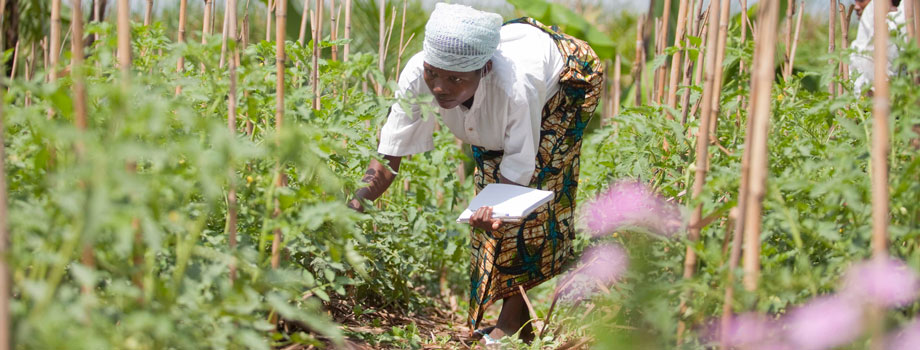
  3. Field Observation: In this phase, farmers are encouraged to observe and record what is happening in their fields. The observations are then shared and discussed in the group.
  4. Analysis and Planning: Farmers analyze the data collected during the field observation phase and identify the problems and opportunities in their fields. They then develop a plan of action to address the identified problems.
  5. Implementation: The plan of action is implemented, and farmers work together to carry out the activities identified in the plan.
  6. Evaluation: Farmers evaluate the results of their activities and make necessary adjustments to improve their performance.


Impact of Farmers Field School


The Farmers Field School approach has been implemented in several countries, and its impact on farmers’ livelihoods has been well documented. The approach has been found to have the following impacts:

  1. Increased Crop Yields: Farmers who have participated in the Farmers Field School program have reported significant increases in crop yields.
  2. Reduced Pesticide Use: Farmers who have participated in the program have reported reduced pesticide use, leading to environmental benefits and improved human health.
  3. Improved Farm Management: Farmers who have participated in the program have reported improved farm management practices, leading to improved soil health and increased productivity.
  4. Improved Income: Farmers who have participated in the program have reported increased income from improved crop yields and reduced input costs.


Conclusion


The Farmers Field School approach is a participatory learning approach that has proven to be effective in improving farmers’ knowledge and skills. The approach is based on the principles of adult education, participatory

AI Explained Organic Farming

 Organic farming is a method of agriculture that relies on natural and sustainable practices to produce crops and livestock. It involves the use of organic fertilizers and natural pest control methods instead of synthetic chemicals, which are commonly used in conventional farming.


Organic farming emphasizes the importance of soil health and biodiversity, which are essential for long-term sustainable agriculture. Organic farmers use crop rotation, cover crops, and composting to maintain soil fertility and reduce the risk of pest and disease outbreaks.


In organic livestock farming, animals are raised without the use of antibiotics, growth hormones, or other synthetic drugs. They are provided with access to outdoor areas and allowed to graze on organic pasture.


Organic farming is also committed to environmental conservation by reducing greenhouse gas emissions, preserving natural habitats, and conserving water resources. Organic farming also aims to promote social justice and fair trade practices, ensuring that farmers receive fair prices for their products and are treated equitably.


While organic farming can be more challenging and expensive than conventional farming, it offers numerous benefits, such as producing healthier and more nutritious food, preserving the environment, and supporting local communities.

Agroecology and Global Goals

Agroecology and the Sustainable Development Goals (SDGs)

The 2030 Agenda for Sustainable Development calls for a new agricultural approach to ensure sufficient, safe and nutritious food respecting human rights. FAO Members have a common vision for sustainable food and agriculture, and agroecology is a key response to guide the sustainable transformation of our food systems.

SDG 1

End poverty in all its forms everywhere

Family farming, herding and artisanal fisheries and aquaculture provide livelihoods for many of the world’s rural poor. Agroecological approaches support food producers in reducing production costs, translating into greater income, economic stability and resilience.

End hunger, achieve food security and improved nutrition and promote sustainable agriculture

Agroecological systems optimize the use of local and renewable resources and knowledge. This enables agricultural production systems to harness ecosystem benefits such as pest control, pollination, soil health and erosion control while ensuring productivity. The conservation and sustainable use of biodiversity leads to robust ecosystem services and sustainable agriculture.

Ensure healthy lives and promote well-being for all at all ages

By minimizing the use of potentially harmful agro-chemical inputs, agroecology reduces agriculture’s negative effects on both human and environmental health. By re-localizing diets, agroecology can help to inform sustainable and healthy diets.

Ensure inclusive and equitable quality education and promote lifelong learning opportunities for all

Agroecology depends on knowledge adapted to local contexts by food producers and other actors. It delivers relevant and practical knowledge through empowering peer-to-peer systems, enhanced with the knowledge of formal scientists.

Achieve gender equality and empower all women and girls

Women have a central role in agroecology. They are often custodians of healthy and traditional diets and are key players in sustainable food systems, from the home, to the field, to the market and beyond. Agroecology has the potential to advance women’s rights, self-determination and autonomy.

Ensure availability and sustainable management of water and sanitation for all

Agroecology prevents surface water and groundwater pollution and contamination. It promotes practices that are efficient in water use, enhances soil water retention, and values locally adapted crops that require less (or no) irrigation, allowing safer and more sustainable aquifer storage, recovery and recharge.

SDG-8

Promote sustained, inclusive and sustainable economic growth, full and productive employment and decent work for all

Agroecological approaches create new decent rural employment opportunities for youth and women. The increased resilience of agroecological production systems helps to better maintain existing jobs, supporting rural livelihoods and communities.

Reduce inequality within and among countries

Agroecology gives priority to the most marginalised and vulnerable sectors of society: rural women, youth, family farmers and indigenous peoples. Agroecology has the potential to address the inequality of the food system by providing locally–based solutions to specific contexts and territories.

Make cities and human settlements inclusive, safe, resilient and sustainable

By promoting a territorial approach to development, agroecology encourages the development of integrated plans for urban and rural development, with urban areas recognising the multiple benefits that sustainable landscapes can provide them and re-connecting producers and consumers to shorten value chains and increase resilience.

Ensure sustainable consumption and production patterns

Agroecology enhances diversification to achieve sustainable and healthy diets and food and nutrition security. Agroecological food systems have proven, in many local contexts, to be exemplary providers of high-quality nutritious, healthy and adequate diets, preserving and promoting local food traditions and traditional knowledge. By shortening value chains, agroecology contributes to the reduction of food losses and waste.

Take urgent action to combat climate change and its impacts

Agroecology helps mitigate against climate change and its impacts. It reduces the emission of greenhouse gases by promoting integrated production systems that are less dependent on energy from fossil fuels and that store and fix carbon. By promoting diversified and integrated production systems, agroecology facilitates resilience and adaptation to a changing climate.

Conserve and sustainably use the oceans, seas and marine resources for sustainable development

In aquatic systems, the Ecosystem Approach to Fisheries (EAF) and to aquaculture (EAA) demonstrates an agroecological approach. The Ecosystem Approach ensures that the management of living resources applies an integrated approach to fisheries within meaningful boundaries, taking into account knowledge and uncertainties in the biotic, abiotic and human components.

Protect, restore and promote sustainable use of terrestrial ecosystems, sustainably manage forests, combat desertification, and halt and reverse land degradation and halt biodiversity loss

Agroecology works with local communities, food producers, and other actors to prevent land degradation and restore degraded areas. Agroecology helps to conserve and sustainably use and value the biodiversity and ecosystem services that underpin food production.

Promote peaceful and inclusive societies for sustainable development, provide access to justice for all and build effective, accountable and inclusive institutions at all levels

Agroecology supports strong and inclusive producers’ organisations that enable the sharing and co-creation of knowledge, solidarity, representation of their concerns at the policy level and responsible governance.

Strengthen the means of implementation and revitalize the Global Partnership for Sustainable Development

Scaling up agroecology calls for increased cooperation between productive sectors, social actors and countries.


The 10 Elements of Agroecology


The 10 Elements of Agroecology resulted from a multi-stakeholder process intended to generate a system re-design framework to be optimized and adapted to local contexts. The 10 Elements of Agroecology framework was developed between 2015 and 2019. Prominent themes from presentations delivered during the First International Symposium on Agroecology for Food Security and Nutrition provided an initial coherent structure: recycling, efficiency, diversity, resilience and synergies as central ecological features of agroecology. Nevertheless, calls in regional meetings for reinforcing social and political aspects of agroecology were also strong. Thus, these aspects that emerged from regional consultations were clustered under an additional five elements: co-creation of knowledge; human and social values; culture and food traditions; responsible governance; and circular and solidarity economy. Following the refinement of element names, content, and the development of a consistent storyline highlighting the interconnected nature of agroecology and its 10 Elements, the framework was finalized after several rounds of review by international and FAO experts.

The 10 Elements of Agroecology framework was launched at the Second FAO International Symposium on Agroecology held in April 2018 and continues to evolve. In October 2018, the 10 Elements of Agroecology were supported by the FAO Committee on Agriculture (COAG) at its 26th Session as a guide to one of the ways to promote sustainable agriculture and food systems. Following the review, revision, and clearance process through FAO’s governing bodies, the 10 Elements of Agroecology were approved by the 197 Members of FAO to guide FAO’s vision on agroecology by the 163 session of the Council on 2-6 December 2019.


The 10 Elements of Agroecology

The 10 Elements of Agroecology resulted from a multi-stakeholder process intended to generate a system re-design framework to be optimized and adapted to local contexts. The 10 Elements of Agroecology framework was developed between 2015 and 2019. Prominent themes from presentations delivered during the First International Symposium on Agroecology for Food Security and Nutrition provided an initial coherent structure: recycling, efficiency, diversity, resilience and synergies as central ecological features of agroecology. Nevertheless, calls in regional meetings for reinforcing social and political aspects of agroecology were also strong. Thus, these aspects that emerged from regional consultations were clustered under an additional five elements: co-creation of knowledge; human and social values; culture and food traditions; responsible governance; and circular and solidarity economy. Following the refinement of element names, content, and the development of a consistent storyline highlighting the interconnected nature of agroecology and its 10 Elements, the framework was finalized after several rounds of review by international and FAO experts.

The 10 Elements of Agroecology framework was launched at the Second FAO International Symposium on Agroecology held in April 2018 and continues to evolve. In October 2018, the 10 Elements of Agroecology were supported by the FAO Committee on Agriculture (COAG) at its 26th Session as a guide to one of the ways to promote sustainable agriculture and food systems. Following the review, revision, and clearance process through FAO’s governing bodies, the 10 Elements of Agroecology were approved by the 197 Members of FAO to guide FAO’s vision on agroecology by the 163 session of the Council on 2-6 December 2019.

Diversity

Diversity: diversification is key to agroecological transitions to ensure food security and nutrition while conserving, protecting and enhancing natural resources.

Co-creation of knowledge and transdisciplinary approaches for innovation

Co-creation and sharing of knowledge: agricultural innovations respond better to local challenges when they are co-created through participatory processes.

Synergies

Synergies: building synergies enhances key functions across food systems, supporting production and multiple ecosystem services.

Efficiency

Efficiency: innovative agroecological practices produce more using less external resources.

Recycling

Recycling: more recycling means agricultural production with lower economic and environmental costs.

Balance

Resilience: enhanced resilience of people, communities and ecosystems is key to sustainable food and agricultural systems.

Human and social value

Human and social values: protecting and improving rural livelihoods, equity and social well-being is essential for sustainable food and agricultural systems.

Culture and food traditions

Culture and food traditions: by supporting healthy, diversified and culturally appropriate diets, agroecology contributes to food security and nutrition while maintaining the health of ecosystems.

Land and natural resources governance

Responsible governance: sustainable food and agriculture requires responsible and effective governance mechanisms at different scales – from local to national to global.

Circular economy

Circular and solidarity economy: circular and solidarity economies that reconnect producers and consumers provide innovative solutions for living within our planetary boundaries while ensuring the social foundation for inclusive and sustainable development.

Agroecology, What is it all About?


What is Agroecology?

Agroecology is a holistic and integrated approach that simultaneously applies ecological and social concepts and principles to the design and management of sustainable agriculture and food systems. It seeks to optimize the interactions between plants, animals, humans and the environment while also addressing the need for socially equitable food systems within which people can exercise choice over what they eat and how and where it is produced. Agroecology is concurrently a science, a set of practices and a social movement and has evolved as a concept over recent decades to expand in scope from a focus on fields and farms to encompass the entirety of agriculture and food systems. It now represents a transdisciplinary field that includes the ecological, socio-cultural, technological, economic and political dimensions of food systems, from production to consumption.

It is no longer possible to look at food, livelihoods, health and the management of natural resources separately. Embracing systems–thinking through holistic approaches is needed to address these complex and interdependent challenges. The fundamental connection between people and the planet, with sustainable agriculture and food systems, is at the heart of the 2030 Agenda for Sustainable Development, which stresses the urgent need to take concerted action and pursue policies directed at transformational change. Ending poverty and achieving zero hunger, while ensuring inclusive growth and sustainably managing the planet’s natural resources, all in the context of climate change and biodiversity loss, will only be possible through holistic and integrated approaches that respect human rights.

Agroecology represents an overarching and comprehensive systems framework to guide public policies towards sustainable agriculture and food systems. It enhances public efficiency by fostering integrated and inter-ministerial policy design and implementation, bringing together agricultural and food sectors that are often disaggregated. It actively engages different stakeholders through inter-disciplinary mechanisms which favour a responsible and transparent governance of resources. As a result, agroecological transitions can support the simultaneous achievement of multiple sustainability objectives – economic, environmental, social, nutritional, health and cultural – holistically and in integrated manner at different levels and scales while being adapted for different environmental and cultural contexts.

Agroecology is based on bottom-up and territorial processes, helping to deliver contextualized solutions to local problems with people at the centre. There is no single way to apply agroecological approaches – it depends on local contexts, constraints and opportunities but there are common principles that have been articulated in the framework of the 10 Elements of Agroecology.

The 10 Elements of Agroecology framework

FAO developed the 10 Elements of Agroecology framework to assist countries in fostering transformative change. The 10 Elements are interlinked and interdependent and represent a simplified, yet holistic, way to think about reality. They describe essential components, key interactions, emergent properties and desired enabling conditions in agroecological transitions towards sustainable agriculture and food systems. The 10 Elements are a useful analytical tool to facilitate decision-making by practitioners and other stakeholders when planning, implementing, managing, and evaluating agroecological transitions.

Agroecology brings solutions to multiple Sustainable Development Goals:

SDG 2

Zero hunger, food security, nutrition and health

Agroecology promotes local, stable and diverse diets with year-round integrated production of healthy and nutritious foods, since it is anchored in diversified, resilient, and sustainable territorial production systems. Farms and ecosystems managed through agroecological practices can enhance the four dimensions of food security – availability, access, stability, and utilization – which contribute to reducing rural poverty, enhancing resilience, promoting local development, and improving communities’ livelihoods.

SDG 1

Poverty alleviation

Agroecology helps boost the livelihoods of family farmers and decreases rural poverty by reducing farmers’ reliance on external inputs, subsidies and volatility of market prices. Agroecology can promote increased economic resilience, provide income stability over the year and connect consumers to producers, thereby improving bargaining power and reducing profit loss when public policy provides support and access to finance and secure markets.

SDG 13

Climate change resilience

Agroecology helps to protect, restore and improve agriculture and food systems in the face of climate shocks and stressors. Diverse, well-integrated agroecological systems can promote greater carbon sequestration, increase resilience of livelihoods and provide climate change mitigation and adaptation solutions. Agroecological systems are also better able to resist other societal shocks and stressors, such as pandemics and market disruptions, by re-localizing food systems and shortening value-chains, leading to greater resilience.

SDG 15

Biodiversity

Integrated agroecological approaches sustain and enhance natural functions and ecosystem services, including the restoration degraded soils, particularly in drylands, with a spillover effect on food security, resilience and sustainable livelihoods. Diverse agroecological systems, such as polycultures, animal-integration systems and agroforestry systems, harness ecosystem benefits such as pest control, pollination, soil health and erosion control, while sustaining productivity.

SDG 8

Youth engagement

Agroecology provides innovative solutions and decent employment for youth. Agroecology is based on knowledge intensive, environmentally friendly, socially responsible, innovative, and skilled labour agricultural production. As a bottom-up, grassroots paradigm for sustainable rural development, agroecology empowers people and communities to become their own agents of change.

SDG 5

Gender self-determination

Women are building agroecology into their everyday practices: preserving and multiplying native seeds; producing healthy, diverse food without pesticides; raising local and indigenous livestock breeds; promoting the preservation of local biodiversity and landscapes; and carrying out artisanal fishing while protecting rivers, lakes and seas. Agroecology applies the practices of solidarity by collective actions to reduce gender inequity by addressing underlying power imbalances that perpetuate discrimination and oppression.

SDG 10

Human rights

Agroecology champions inclusion of marginalized groups and fair access to resources for all. Agroecology helps in furthering the realization of the right to food by advocating for a people-centered approach, with focus on the most vulnerable. Agroecology promotes inclusive, responsible and transparent governance of resources. This entails empowerment of local and community leaders.

Agroecology and Organic Farming


Agroecology is sustainable farming that works with nature.

Ecology is the study of relationships between plants, animals, people, and their environment - and the balance between these relationships.

Agroecology is the application of ecological concepts and principals in farming.

Agroecology promotes farming practices that;

  • Mitigate climate change - reducing emissions, recycling resources and prioritising local supply chains.
  • Work with wildlife - managing the impact of farming on wildlife and harnessing nature to do the hard work for us, such as pollinating crops and controlling pests.
  • Put farmers and communities in the driving seat - they give power to approaches led by local people and adapt agricultural techniques to suit the local area - and its specific social, environmental and economic conditions.

Agroecology in action 

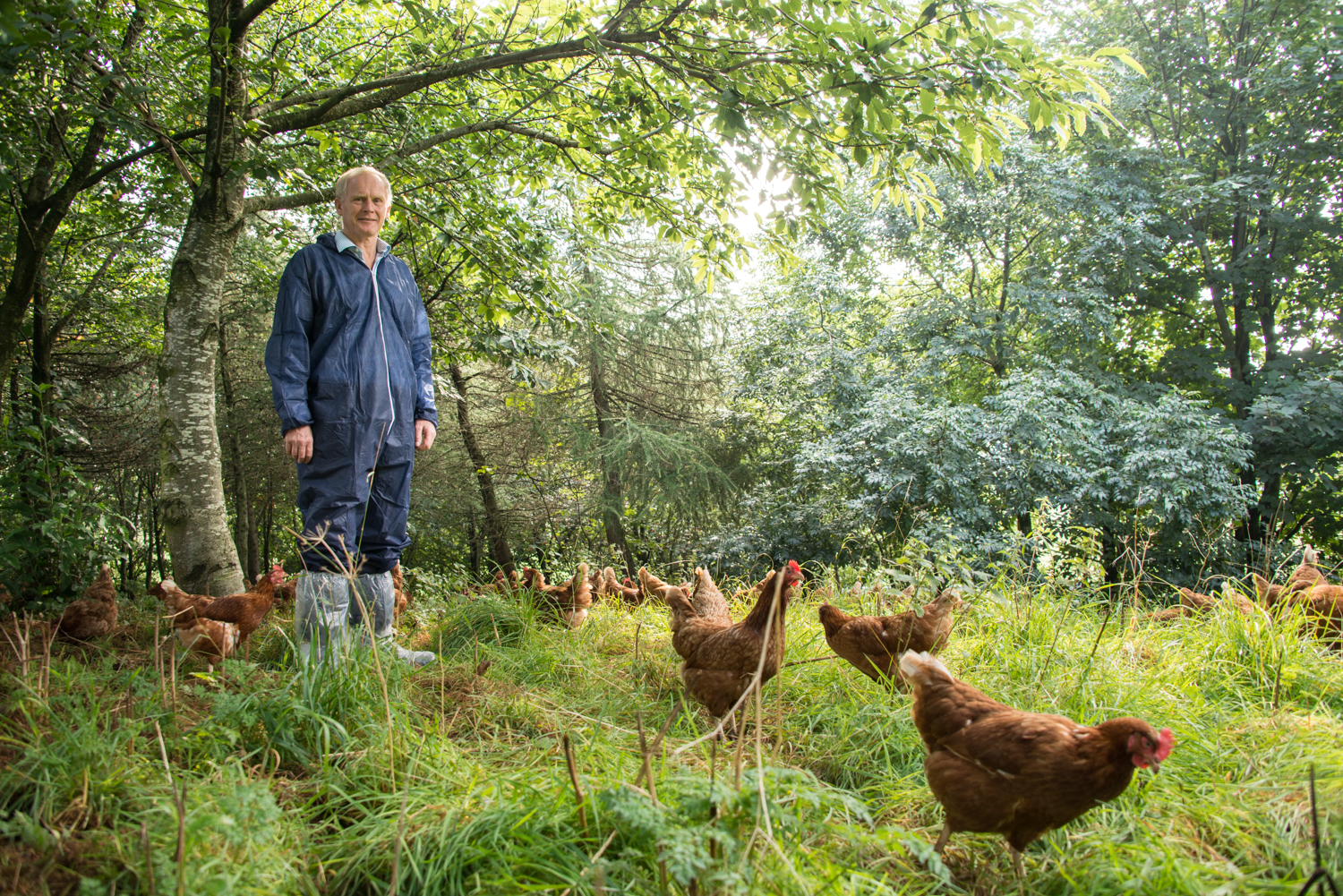
Agroforestry is a great example of agroecology. It's the practice of combining trees and farming; it demonstrates how food production and nature can co-exist.

Grazing farm animals under trees gives them shelter and fodder, whilst their manure enriches the soil. And planting trees on land normally used to grow cereal crops can provide another crop - be that fruit, nuts or timber. This provides another income stream for farmers and also protects soils from erosion, as the trees' deep roots help create a healthy soil structure.

Agroforestry, like many agroecological approaches, is a win-win.


Agroecology: a truly sustainable alternative

At global and local levels, we face multiple food system challenges - flooding, soil degradation, biodiversity collapse, malnutrition and obesity.

Intensive farming systems contribute to these problems. They exhaust natural resources focusing on short-term gains rather than the long-term sustainability that works best for the land, wildlife and local communities. We need an alternative food system that is truly sustainable. The good news is, many of the solutions lie in agroecology.

The Ten Years for Agroecology project models how the UK and the rest of Europe can transition to a food and farming model to reduce climate impacts, support wildlife to bounce back and feed a growing population a healthy diet.

Where does organic fit into agroecology?

Agroecology is an umbrella term that covers lots of agricultural practices that you may be more familiar with, like organic, biodynamic or permaculture.

Organic farming is a form of agroecological farming.

All organic farmers are required to meet a strict set of standards.

These standards guarantee higher animal welfare, fewer pesticides and antibiotics and no GMOs.

Organic practices also support more jobs on farms, healthy soil and more on-farm.

Certified organic farms are inspected on an annual basis to legally verify farmers meet these high standards. So organic is a great way to connect citizens and farmers who are using agroecological methods and support the growth of agroecology.

How can I support agroecology?

The easiest way you can support agroecological farming is to engage with your local farmers and growers. Learn about their farming practices, join a local veg box scheme or buy organic.

Organic food is clearly labelled and provides a guarantee that your products have been produced to some of the highest environmental standards.

However, to achieve an agroecological future, everybody – farmers, caterers, shops and citizens – needs to support a new way of thinking about food, farming and the environment.

With the support of the organic community, we continuously make the case for agroecology in Government, so policymakers understand the opportunities it offers for climate, nature and our health. We’re lobbying for more support, empowerment and advice for farmers, so they are able to explore how they can transition to agroecology.