Showing posts with label Agroforestry. Show all posts

Climate-Smart Crop Selection: Choosing Varieties for Resilience and High Yield

 Climate-Smart Crop Selection: Choosing Varieties for Resilience and High Yield


Introduction:


In the face of climate change and its adverse impacts on global agriculture, it has become imperative to adopt climate-smart approaches in crop production. One crucial aspect of climate-smart agriculture is the selection of crop varieties that can withstand the changing environmental conditions while ensuring high yields. By choosing resilient and high-yielding crop varieties, farmers can enhance their productivity, increase food security, and mitigate the effects of climate change. This article explores the concept of climate-smart crop selection and highlights the key factors to consider when choosing varieties for resilience and high yield.


Understanding Climate-Smart Crop Selection:

Climate-smart crop selection involves identifying and cultivating crop varieties that possess characteristics enabling them to adapt and thrive in a changing climate. These varieties exhibit traits such as heat and drought tolerance, resistance to pests and diseases, and efficient use of water and nutrients. The goal is to minimize the risks associated with climate variability and ensure sustainable agricultural practices.


Factors to Consider for Resilient Crop Selection:

a. Climate Suitability: Different crop varieties have varying temperature and precipitation requirements. Assessing the climate conditions of a region and choosing varieties that are well-suited to those conditions is crucial. This includes considering temperature ranges, rainfall patterns, and length of growing seasons.


b. Tolerance to Environmental Stresses: With climate change comes an increase in extreme weather events, such as heatwaves, droughts, and floods. Selecting crop varieties that exhibit tolerance to these stresses is vital. Traits like heat and drought tolerance, flood resistance, and ability to recover from extreme events should be prioritized.


c. Pests and Disease Resistance: Changing climate patterns can also influence pest and disease dynamics. Crop varieties with natural resistance to prevalent pests and diseases in a given area should be preferred. This can minimize the need for excessive pesticide use and ensure better crop health.


d. Nutrient and Water Use Efficiency: Optimal utilization of resources is crucial for sustainable agriculture. Varieties that demonstrate efficient nutrient uptake and water usage can minimize input requirements while maintaining high yields. This promotes resource conservation and reduces environmental impacts.


Balancing Resilience with Yield Potential:

While resilience is vital, high yield potential remains a priority for farmers. Striking a balance between these two factors is essential for sustainable crop production. Breeders and seed companies are actively developing and promoting climate-smart crop varieties that offer both resilience and high yields. Farmers should consider yield potential, market demand, and profitability alongside resilience traits when selecting crop varieties.


The Role of Research and Development:

Investments in agricultural research and development are crucial for advancing climate-smart crop selection. Scientists are continuously working to develop improved varieties through breeding techniques, genetic engineering, and precision agriculture. Collaborations between farmers, researchers, and extension services can facilitate knowledge transfer and ensure access to the latest advancements in crop selection.


Conclusion:


Climate-smart crop selection is a vital strategy in addressing the challenges posed by climate change in agriculture. By choosing resilient varieties that can adapt to changing environmental conditions while maintaining high yields, farmers can secure their livelihoods, enhance food security, and contribute to climate change mitigation efforts. It is essential to consider factors such as climate suitability, tolerance to environmental stresses, resistance to pests and diseases, and resource-use efficiency when making crop variety selections. By embracing climate-smart agriculture, we can build a more sustainable and resilient future for global food production.

A Comprehensive Guide on Growing Fruits: From Seed to Harvest


Introduction:

There's something incredibly rewarding about growing your own fruits. Not only do you get to enjoy the sweet and juicy flavors straight from your backyard, but you also gain a deeper appreciation for nature's bounty. Whether you're a novice gardener or a seasoned green thumb, this article will provide you with a comprehensive guide on how to grow fruits successfully. From choosing the right plants to nurturing them through each stage, let's dive into the wonderful world of fruit cultivation.

Selecting the Right Fruit:

Before you start planting, consider the climate and conditions in your area. Some fruits thrive in warmer regions, while others require cooler temperatures. Conduct research or consult local gardening experts to determine which fruits are best suited for your region. Take into account factors such as sunlight requirements, soil type, and available space.


Planning and Preparation:

Choose a suitable location for your fruit garden. Most fruit plants require at least six to eight hours of direct sunlight daily. Ensure the soil is well-draining, fertile, and rich in organic matter. Prepare the soil by removing weeds, rocks, and debris. Test the soil's pH level, and if necessary, make amendments to create an optimal growing environment for your chosen fruits.


Planting Techniques:

  • Seeds: Some fruits, like melons, berries, and citrus, can be grown from seeds. Follow the instructions on the seed packets for the best results. Start seeds indoors before the growing season begins and transplant them outdoors when the weather is favorable.
  • Seedlings or Transplants: Many fruit plants are available as seedlings or transplants at local nurseries. These are already developed plants that can be directly planted in your garden. Handle them carefully during transplantation, ensuring you provide adequate water and protection from extreme weather conditions.


Proper Watering:

Consistent and appropriate watering is crucial for fruit plants. Most fruits require deep watering once or twice a week, depending on the weather and soil conditions. Avoid overwatering, as it can lead to root rot and other diseases. Mulching around the plants helps retain moisture, suppresses weeds, and maintains a more even soil temperature.

Nutrient Requirements:

Fruit plants benefit from regular fertilization to promote healthy growth and maximize fruit production. Apply a balanced, slow-release fertilizer during the growing season, following the manufacturer's instructions. Additionally, organic compost and well-rotted manure can provide essential nutrients to the soil.

Pruning and Training:

Pruning fruit plants is essential for maintaining their shape, controlling their size, and promoting better air circulation. Regularly remove dead or damaged branches, as well as those that obstruct sunlight penetration. Train plants to grow on trellises or support structures to improve air circulation and ease harvesting.

Pest and Disease Management:

Fruit plants are susceptible to various pests and diseases. Monitor your plants regularly for any signs of damage or infestation. Use organic pest control methods whenever possible, such as introducing beneficial insects or applying natural repellents. Proper sanitation practices, like removing fallen fruit and pruning debris, can help prevent diseases.

Harvesting and Storage:

The joy of growing fruits culminates in the harvest season. Different fruits have specific signs of ripeness, so it's crucial to familiarize yourself with each variety's characteristics. Harvest at the right time, when the fruits are mature but not overripe. Store fruits appropriately to maintain their quality and extend their shelf life.

Conclusion:

Growing your own fruits is a delightful and fulfilling endeavor that connects you to nature and rewards you with the freshest produce. By carefully selecting the right fruits, preparing the soil, providing proper care, and addressing potential challenges, you can cultivate a thriving fruit garden. With patience, knowledge, and a little bit of effort, you'll enjoy the satisfaction of savoring homegrown fruits straight from your backyard. Happy gardening!

Transforming the Future of Agriculture with Agroecology


 AGROECOLOGY

Agroecology is a scientific and social approach to agricultural production that emphasizes the interdependence of natural systems and human activity. It is a holistic and interdisciplinary field that seeks to optimize agricultural production while also promoting social justice and ecological sustainability. In this article, we will explore the principles of agroecology, its benefits, and its potential to transform the future of agriculture.

Agroecology is a sustainable and holistic approach to agriculture that seeks to enhance the relationships between plants, animals, humans, and the environment. It is based on the principles of ecology and incorporates traditional knowledge, scientific research, and innovative practices to promote food security, biodiversity conservation, and social justice. In this article, we will explore the key concepts and benefits of agroecology and how it can transform our food system for the better.


Agroecology is not just a farming technique or a set of practices, but a way of thinking and acting that recognizes the complex interactions between nature and society. It challenges the dominant industrial model of agriculture that relies on synthetic fertilizers, pesticides, and monoculture crops, which deplete soil fertility, pollute water resources, and harm human health. Agroecology, on the other hand, emphasizes the use of natural processes, such as nutrient cycling, pest management, and soil conservation, to achieve long-term productivity, resilience, and diversity.


One of the key principles of agroecology is diversity. Agroecologists recognize that diversity is essential for healthy ecosystems and resilient food systems. By growing a variety of crops, livestock, and other organisms, farmers can reduce the risks of pests, diseases, and climate variability, and enhance the nutrient cycle and soil health. Moreover, agroecology promotes the use of locally adapted and traditional varieties of crops and livestock, which are often better suited to local conditions and have higher nutritional value and flavor.


Another principle of agroecology is soil health. Soil is a living organism that supports plant growth, nutrient cycling, water retention, and carbon sequestration. Agroecologists advocate for practices that build soil health, such as crop rotation, cover cropping, composting, and reduced tillage. These practices enhance the organic matter content, soil structure, and microbial diversity of the soil, which in turn improves plant growth, pest resistance, and nutrient uptake.


Agroecology also emphasizes the importance of social justice and equity. Small-scale farmers, especially women and indigenous communities, are often marginalized and exploited in the current food system. Agroecology seeks to empower these farmers by promoting their knowledge, skills, and rights, and by providing them with access to resources, such as land, seeds, and credit. Moreover, agroecology fosters local food systems that prioritize the needs and preferences of consumers and communities, rather than corporate interests.


Principles of Agroecology


Agroecology is based on a set of principles that guide agricultural production in a way that respects ecological processes and human communities. These principles include:

  1. Diversity: Agroecology promotes biodiversity in all its forms, including genetic, species, and ecosystem diversity. This diversity creates a more resilient and sustainable agricultural system that is less vulnerable to pests, diseases, and climate change.
  2. Co-creation: Agroecology recognizes that farmers and researchers must work together to co-create knowledge and solutions that are context-specific and culturally appropriate. This collaboration leads to a more inclusive and equitable agricultural system that respects local knowledge and values.
  3. Recycling: Agroecology promotes the recycling of nutrients and resources within the agricultural system, reducing waste and increasing efficiency. This includes practices like composting, cover cropping, and agroforestry.
  4. Resilience: Agroecology seeks to create a resilient agricultural system that can adapt to changing conditions and shocks, such as climate change and economic crises. This resilience is achieved through diverse and flexible production systems that can withstand disturbances and recover quickly.
  5. Food sovereignty: Agroecology recognizes the right of communities to control their own food systems and to make decisions about how food is produced, distributed, and consumed. This includes promoting local food systems and supporting small-scale farmers.

Benefits of Agroecology

Agroecology offers a range of benefits for farmers, communities, and the environment. Some of these benefits include:

  1. Increased biodiversity: Agroecology promotes the conservation of biodiversity, which supports a range of ecosystem services such as pollination, pest control, and soil fertility. This in turn leads to higher yields and more resilient agricultural systems.
  2. Improved soil health: Agroecological practices like cover cropping and crop rotation can improve soil health, leading to better nutrient cycling, water retention, and soil structure. This results in higher crop yields, less erosion, and better resilience to drought and flooding.
  3. Reduced use of inputs: Agroecological practices like intercropping and integrated pest management can reduce the need for synthetic fertilizers and pesticides, leading to lower costs and less pollution. This also reduces the risks associated with pesticide exposure for farmers and their communities.
  4. Improved livelihoods: Agroecology promotes the development of local food systems and supports small-scale farmers, leading to more equitable distribution of resources and better livelihoods for farmers and their families. This can also lead to greater food security and reduced dependence on external markets.
  5. Climate resilience: Agroecology promotes the development of diverse and resilient agricultural systems that can adapt to changing climatic conditions. This includes practices like agroforestry and water harvesting, which can improve water availability and reduce the risk of drought.
  6. Improved food security and nutrition: Agroecology promotes the production of diverse and nutritious crops, which can improve the availability and quality of food for local communities. Moreover, agroecology reduces the risks of crop failure and food shortages, which are often caused by climate change, pests, and other factors.
  7. Environmental sustainability: Agroecology reduces the negative impacts of agriculture on the environment, such as soil erosion, water pollution, and greenhouse gas emissions. By enhancing the natural processes of the ecosystem, agroecology contributes to biodiversity conservation, climate adaptation, and ecosystem services.
  8. Resilience and adaptability: Agroecology builds resilience and adaptability in the food system by diversifying crops and livestock, improving soil health, and promoting local knowledge and skills. These factors reduce the risks of crop failure, pests, and climate variability, and increase the capacity of farmers to cope with shocks and changes.
  9. Social justice and equity: Agroecology promotes the rights and interests of small-scale farmers, women, and indigenous communities, who are often marginalized in the current food system. By empowering these groups, agroecology contributes to social justice, gender equity, and cultural diversity.

Transforming the Future of Agriculture


Agroecology has the potential to transform the future of agriculture by promoting more sustainable and equitable food systems. However, this transformation requires a shift in the way we think about agriculture and the way we invest in research and development. Some of the key steps needed to promote agroecology include:

Supporting small-scale farmers: Small-scale farmers are the backbone of many agricultural systems, particularly in developing countries. Investing in their knowledge and resources can promote more sustainable and equitable agricultural production.

Promoting research and development: Agroecology is still a relatively new field, and stakeholders need to put more effort into research promotion.


AI Explained Organic Farming

 Organic farming is a method of agriculture that relies on natural and sustainable practices to produce crops and livestock. It involves the use of organic fertilizers and natural pest control methods instead of synthetic chemicals, which are commonly used in conventional farming.


Organic farming emphasizes the importance of soil health and biodiversity, which are essential for long-term sustainable agriculture. Organic farmers use crop rotation, cover crops, and composting to maintain soil fertility and reduce the risk of pest and disease outbreaks.


In organic livestock farming, animals are raised without the use of antibiotics, growth hormones, or other synthetic drugs. They are provided with access to outdoor areas and allowed to graze on organic pasture.


Organic farming is also committed to environmental conservation by reducing greenhouse gas emissions, preserving natural habitats, and conserving water resources. Organic farming also aims to promote social justice and fair trade practices, ensuring that farmers receive fair prices for their products and are treated equitably.


While organic farming can be more challenging and expensive than conventional farming, it offers numerous benefits, such as producing healthier and more nutritious food, preserving the environment, and supporting local communities.

Agroecology and Global Goals

Agroecology and the Sustainable Development Goals (SDGs)

The 2030 Agenda for Sustainable Development calls for a new agricultural approach to ensure sufficient, safe and nutritious food respecting human rights. FAO Members have a common vision for sustainable food and agriculture, and agroecology is a key response to guide the sustainable transformation of our food systems.

SDG 1

End poverty in all its forms everywhere

Family farming, herding and artisanal fisheries and aquaculture provide livelihoods for many of the world’s rural poor. Agroecological approaches support food producers in reducing production costs, translating into greater income, economic stability and resilience.

End hunger, achieve food security and improved nutrition and promote sustainable agriculture

Agroecological systems optimize the use of local and renewable resources and knowledge. This enables agricultural production systems to harness ecosystem benefits such as pest control, pollination, soil health and erosion control while ensuring productivity. The conservation and sustainable use of biodiversity leads to robust ecosystem services and sustainable agriculture.

Ensure healthy lives and promote well-being for all at all ages

By minimizing the use of potentially harmful agro-chemical inputs, agroecology reduces agriculture’s negative effects on both human and environmental health. By re-localizing diets, agroecology can help to inform sustainable and healthy diets.

Ensure inclusive and equitable quality education and promote lifelong learning opportunities for all

Agroecology depends on knowledge adapted to local contexts by food producers and other actors. It delivers relevant and practical knowledge through empowering peer-to-peer systems, enhanced with the knowledge of formal scientists.

Achieve gender equality and empower all women and girls

Women have a central role in agroecology. They are often custodians of healthy and traditional diets and are key players in sustainable food systems, from the home, to the field, to the market and beyond. Agroecology has the potential to advance women’s rights, self-determination and autonomy.

Ensure availability and sustainable management of water and sanitation for all

Agroecology prevents surface water and groundwater pollution and contamination. It promotes practices that are efficient in water use, enhances soil water retention, and values locally adapted crops that require less (or no) irrigation, allowing safer and more sustainable aquifer storage, recovery and recharge.

SDG-8

Promote sustained, inclusive and sustainable economic growth, full and productive employment and decent work for all

Agroecological approaches create new decent rural employment opportunities for youth and women. The increased resilience of agroecological production systems helps to better maintain existing jobs, supporting rural livelihoods and communities.

Reduce inequality within and among countries

Agroecology gives priority to the most marginalised and vulnerable sectors of society: rural women, youth, family farmers and indigenous peoples. Agroecology has the potential to address the inequality of the food system by providing locally–based solutions to specific contexts and territories.

Make cities and human settlements inclusive, safe, resilient and sustainable

By promoting a territorial approach to development, agroecology encourages the development of integrated plans for urban and rural development, with urban areas recognising the multiple benefits that sustainable landscapes can provide them and re-connecting producers and consumers to shorten value chains and increase resilience.

Ensure sustainable consumption and production patterns

Agroecology enhances diversification to achieve sustainable and healthy diets and food and nutrition security. Agroecological food systems have proven, in many local contexts, to be exemplary providers of high-quality nutritious, healthy and adequate diets, preserving and promoting local food traditions and traditional knowledge. By shortening value chains, agroecology contributes to the reduction of food losses and waste.

Take urgent action to combat climate change and its impacts

Agroecology helps mitigate against climate change and its impacts. It reduces the emission of greenhouse gases by promoting integrated production systems that are less dependent on energy from fossil fuels and that store and fix carbon. By promoting diversified and integrated production systems, agroecology facilitates resilience and adaptation to a changing climate.

Conserve and sustainably use the oceans, seas and marine resources for sustainable development

In aquatic systems, the Ecosystem Approach to Fisheries (EAF) and to aquaculture (EAA) demonstrates an agroecological approach. The Ecosystem Approach ensures that the management of living resources applies an integrated approach to fisheries within meaningful boundaries, taking into account knowledge and uncertainties in the biotic, abiotic and human components.

Protect, restore and promote sustainable use of terrestrial ecosystems, sustainably manage forests, combat desertification, and halt and reverse land degradation and halt biodiversity loss

Agroecology works with local communities, food producers, and other actors to prevent land degradation and restore degraded areas. Agroecology helps to conserve and sustainably use and value the biodiversity and ecosystem services that underpin food production.

Promote peaceful and inclusive societies for sustainable development, provide access to justice for all and build effective, accountable and inclusive institutions at all levels

Agroecology supports strong and inclusive producers’ organisations that enable the sharing and co-creation of knowledge, solidarity, representation of their concerns at the policy level and responsible governance.

Strengthen the means of implementation and revitalize the Global Partnership for Sustainable Development

Scaling up agroecology calls for increased cooperation between productive sectors, social actors and countries.


Agroecology, What is it all About?


What is Agroecology?

Agroecology is a holistic and integrated approach that simultaneously applies ecological and social concepts and principles to the design and management of sustainable agriculture and food systems. It seeks to optimize the interactions between plants, animals, humans and the environment while also addressing the need for socially equitable food systems within which people can exercise choice over what they eat and how and where it is produced. Agroecology is concurrently a science, a set of practices and a social movement and has evolved as a concept over recent decades to expand in scope from a focus on fields and farms to encompass the entirety of agriculture and food systems. It now represents a transdisciplinary field that includes the ecological, socio-cultural, technological, economic and political dimensions of food systems, from production to consumption.

It is no longer possible to look at food, livelihoods, health and the management of natural resources separately. Embracing systems–thinking through holistic approaches is needed to address these complex and interdependent challenges. The fundamental connection between people and the planet, with sustainable agriculture and food systems, is at the heart of the 2030 Agenda for Sustainable Development, which stresses the urgent need to take concerted action and pursue policies directed at transformational change. Ending poverty and achieving zero hunger, while ensuring inclusive growth and sustainably managing the planet’s natural resources, all in the context of climate change and biodiversity loss, will only be possible through holistic and integrated approaches that respect human rights.

Agroecology represents an overarching and comprehensive systems framework to guide public policies towards sustainable agriculture and food systems. It enhances public efficiency by fostering integrated and inter-ministerial policy design and implementation, bringing together agricultural and food sectors that are often disaggregated. It actively engages different stakeholders through inter-disciplinary mechanisms which favour a responsible and transparent governance of resources. As a result, agroecological transitions can support the simultaneous achievement of multiple sustainability objectives – economic, environmental, social, nutritional, health and cultural – holistically and in integrated manner at different levels and scales while being adapted for different environmental and cultural contexts.

Agroecology is based on bottom-up and territorial processes, helping to deliver contextualized solutions to local problems with people at the centre. There is no single way to apply agroecological approaches – it depends on local contexts, constraints and opportunities but there are common principles that have been articulated in the framework of the 10 Elements of Agroecology.

The 10 Elements of Agroecology framework

FAO developed the 10 Elements of Agroecology framework to assist countries in fostering transformative change. The 10 Elements are interlinked and interdependent and represent a simplified, yet holistic, way to think about reality. They describe essential components, key interactions, emergent properties and desired enabling conditions in agroecological transitions towards sustainable agriculture and food systems. The 10 Elements are a useful analytical tool to facilitate decision-making by practitioners and other stakeholders when planning, implementing, managing, and evaluating agroecological transitions.

Agroecology brings solutions to multiple Sustainable Development Goals:

SDG 2

Zero hunger, food security, nutrition and health

Agroecology promotes local, stable and diverse diets with year-round integrated production of healthy and nutritious foods, since it is anchored in diversified, resilient, and sustainable territorial production systems. Farms and ecosystems managed through agroecological practices can enhance the four dimensions of food security – availability, access, stability, and utilization – which contribute to reducing rural poverty, enhancing resilience, promoting local development, and improving communities’ livelihoods.

SDG 1

Poverty alleviation

Agroecology helps boost the livelihoods of family farmers and decreases rural poverty by reducing farmers’ reliance on external inputs, subsidies and volatility of market prices. Agroecology can promote increased economic resilience, provide income stability over the year and connect consumers to producers, thereby improving bargaining power and reducing profit loss when public policy provides support and access to finance and secure markets.

SDG 13

Climate change resilience

Agroecology helps to protect, restore and improve agriculture and food systems in the face of climate shocks and stressors. Diverse, well-integrated agroecological systems can promote greater carbon sequestration, increase resilience of livelihoods and provide climate change mitigation and adaptation solutions. Agroecological systems are also better able to resist other societal shocks and stressors, such as pandemics and market disruptions, by re-localizing food systems and shortening value-chains, leading to greater resilience.

SDG 15

Biodiversity

Integrated agroecological approaches sustain and enhance natural functions and ecosystem services, including the restoration degraded soils, particularly in drylands, with a spillover effect on food security, resilience and sustainable livelihoods. Diverse agroecological systems, such as polycultures, animal-integration systems and agroforestry systems, harness ecosystem benefits such as pest control, pollination, soil health and erosion control, while sustaining productivity.

SDG 8

Youth engagement

Agroecology provides innovative solutions and decent employment for youth. Agroecology is based on knowledge intensive, environmentally friendly, socially responsible, innovative, and skilled labour agricultural production. As a bottom-up, grassroots paradigm for sustainable rural development, agroecology empowers people and communities to become their own agents of change.

SDG 5

Gender self-determination

Women are building agroecology into their everyday practices: preserving and multiplying native seeds; producing healthy, diverse food without pesticides; raising local and indigenous livestock breeds; promoting the preservation of local biodiversity and landscapes; and carrying out artisanal fishing while protecting rivers, lakes and seas. Agroecology applies the practices of solidarity by collective actions to reduce gender inequity by addressing underlying power imbalances that perpetuate discrimination and oppression.

SDG 10

Human rights

Agroecology champions inclusion of marginalized groups and fair access to resources for all. Agroecology helps in furthering the realization of the right to food by advocating for a people-centered approach, with focus on the most vulnerable. Agroecology promotes inclusive, responsible and transparent governance of resources. This entails empowerment of local and community leaders.

Agroecology and Organic Farming


Agroecology is sustainable farming that works with nature.

Ecology is the study of relationships between plants, animals, people, and their environment - and the balance between these relationships.

Agroecology is the application of ecological concepts and principals in farming.

Agroecology promotes farming practices that;

  • Mitigate climate change - reducing emissions, recycling resources and prioritising local supply chains.
  • Work with wildlife - managing the impact of farming on wildlife and harnessing nature to do the hard work for us, such as pollinating crops and controlling pests.
  • Put farmers and communities in the driving seat - they give power to approaches led by local people and adapt agricultural techniques to suit the local area - and its specific social, environmental and economic conditions.

Agroecology in action 

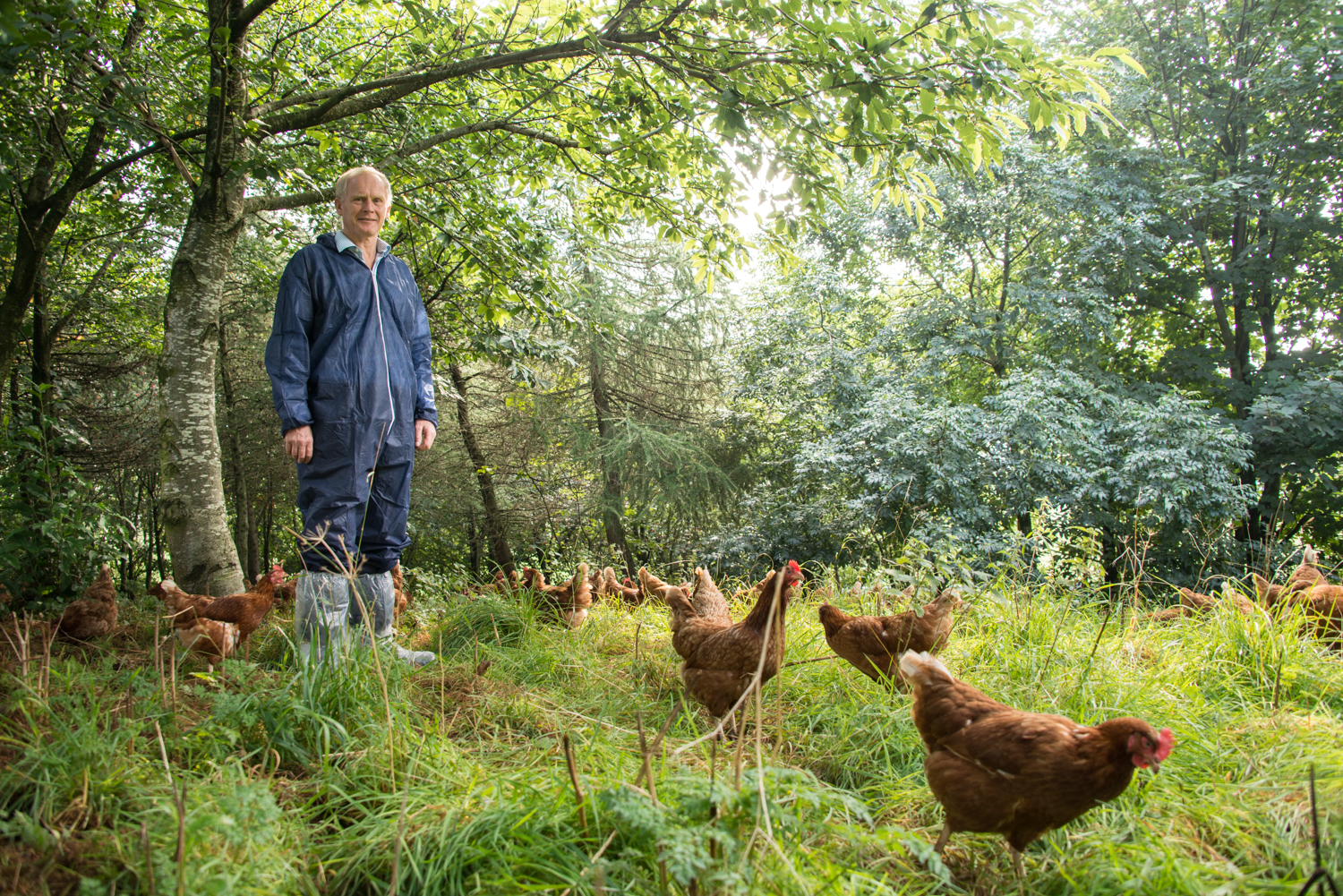
Agroforestry is a great example of agroecology. It's the practice of combining trees and farming; it demonstrates how food production and nature can co-exist.

Grazing farm animals under trees gives them shelter and fodder, whilst their manure enriches the soil. And planting trees on land normally used to grow cereal crops can provide another crop - be that fruit, nuts or timber. This provides another income stream for farmers and also protects soils from erosion, as the trees' deep roots help create a healthy soil structure.

Agroforestry, like many agroecological approaches, is a win-win.


Agroecology: a truly sustainable alternative

At global and local levels, we face multiple food system challenges - flooding, soil degradation, biodiversity collapse, malnutrition and obesity.

Intensive farming systems contribute to these problems. They exhaust natural resources focusing on short-term gains rather than the long-term sustainability that works best for the land, wildlife and local communities. We need an alternative food system that is truly sustainable. The good news is, many of the solutions lie in agroecology.

The Ten Years for Agroecology project models how the UK and the rest of Europe can transition to a food and farming model to reduce climate impacts, support wildlife to bounce back and feed a growing population a healthy diet.

Where does organic fit into agroecology?

Agroecology is an umbrella term that covers lots of agricultural practices that you may be more familiar with, like organic, biodynamic or permaculture.

Organic farming is a form of agroecological farming.

All organic farmers are required to meet a strict set of standards.

These standards guarantee higher animal welfare, fewer pesticides and antibiotics and no GMOs.

Organic practices also support more jobs on farms, healthy soil and more on-farm.

Certified organic farms are inspected on an annual basis to legally verify farmers meet these high standards. So organic is a great way to connect citizens and farmers who are using agroecological methods and support the growth of agroecology.

How can I support agroecology?

The easiest way you can support agroecological farming is to engage with your local farmers and growers. Learn about their farming practices, join a local veg box scheme or buy organic.

Organic food is clearly labelled and provides a guarantee that your products have been produced to some of the highest environmental standards.

However, to achieve an agroecological future, everybody – farmers, caterers, shops and citizens – needs to support a new way of thinking about food, farming and the environment.

With the support of the organic community, we continuously make the case for agroecology in Government, so policymakers understand the opportunities it offers for climate, nature and our health. We’re lobbying for more support, empowerment and advice for farmers, so they are able to explore how they can transition to agroecology.